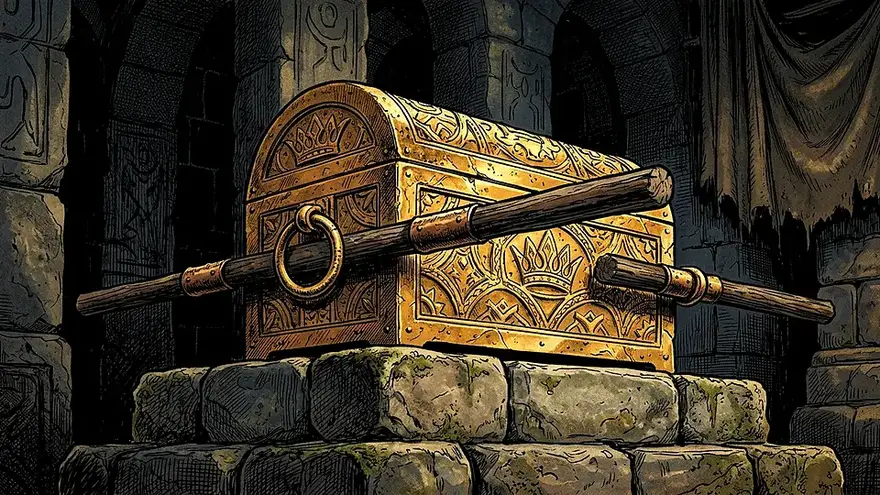
The last historical mention of the Ark in the Hebrew Bible occurs in 622 BCE under King Josiah (2 Chronicles 35:3), thirty-six years before Nebuchadnezzar destroyed Jerusalem. When 2 Kings 25 and Jeremiah 52 itemize every bronze basin, censer, and gold bowl carried to Babylon in 586 BCE, the Ark of the Covenant is conspicuously absent, and Josephus confirms the Second Temple's Holy of Holies stood completely empty. Ancient traditions split among four possibilities: earlier removal under Manasseh or Shishak, hidden burial on Mount Nebo or beneath the Temple Mount (2 Maccabees 2:4–8), quiet destruction in 586 BCE, or theological supersession foretold in Jeremiah 3:16.
The eerie silence of Babylon's 586 BCE loot inventory
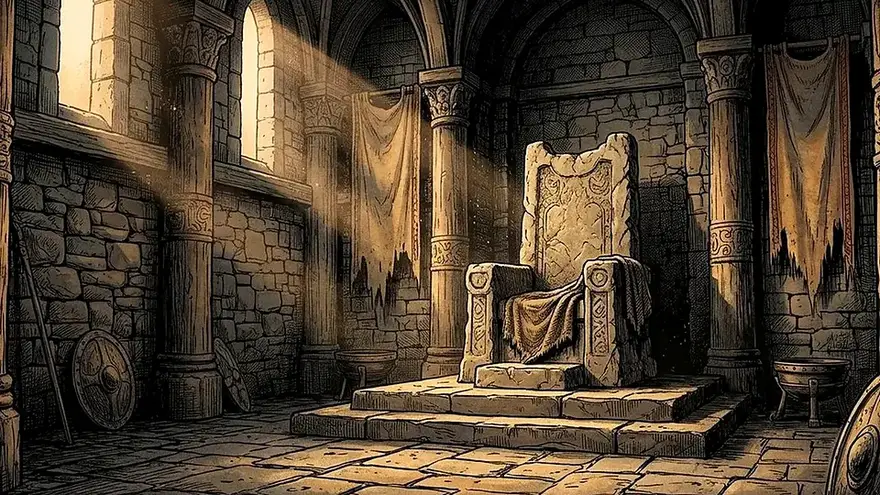
When Nebuchadnezzar's army tore down Solomon's Temple, 2 Kings 25 and Jeremiah 52 recorded an obsessive inventory of plunder: bronze pillars, firepans, snuffers, and basins.
The single most sacred gold chest in Israel—the Ark of the Covenant—isn't mentioned at all. Either it was already gone before 586 BCE, burned unnamed, or hidden beforehand.
2 Chronicles 35:3 (Last Historical Mention, 622 BCE)“Josiah said to the Levites... 'Put the holy ark in the house that Solomon the son of David, king of Israel, built.'”
Why It Matters: KJV's vague final clause ('neither shall that be done any more') obscures the Niphal passive of 'asah ('be manufactured/remade'), explaining why returning Jewish exiles rebuilt the golden lampstand and altar after 538 BCE but never constructed a second Ark.
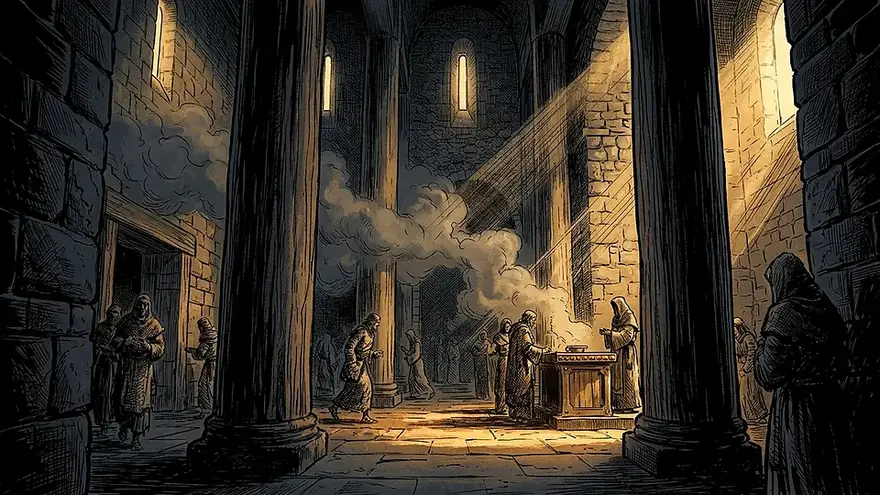
Scrolls & Archaeology: Mishnah Yoma 5:2 preserves eyewitness Temple memory that the Second Temple's Holy of Holies contained zero furniture—only bare bedrock called Even Shetiyah ('Foundation Stone') rising three fingerbreadths above the floor where the High Priest rested his smoking censer on Yom Kippur. Roman historian Tacitus (Histories 5.9) independently confirms that when General Pompey forced his way behind the sanctuary curtain in 63 BCE, he marveled at finding an empty room with no cult image.
Jeremiah's shocking prophecy: 'Don't miss it or make another'
Right before Jerusalem fell, the prophet Jeremiah gave a startling speech in Jeremiah 3:16. Instead of promising the Ark's miraculous return, he told Israel that in the future age they wouldn't even think about the Ark or rebuild it—because Jerusalem itself would know God's presence.
Jeremiah 3:16“In those days, declares the LORD, they shall no more say, 'The ark of the covenant of the LORD.' It shall not come to mind or be remembered or missed.”
Mount Nebo's sealed cave vs. Ethiopia's Aksum chapel
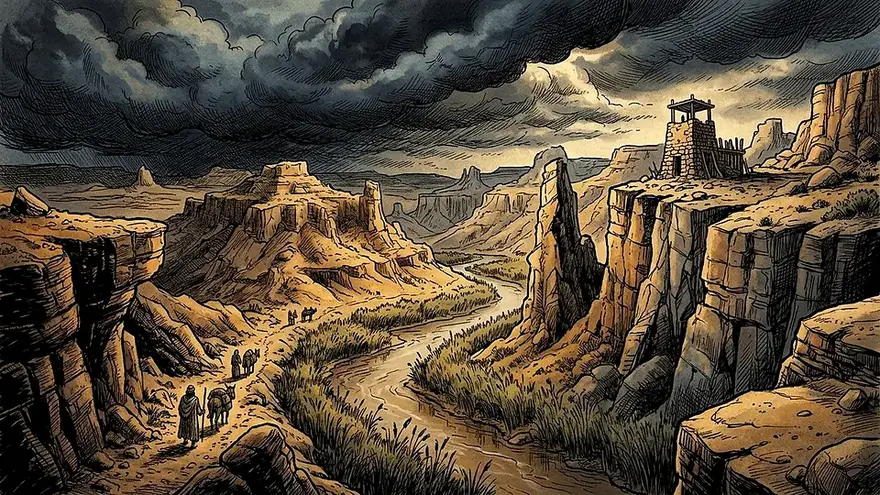
In 2 Maccabees 2:4–8 (written ~100 BCE), an ancient Jewish record claims Jeremiah hid the Ark inside a sealed cave on Mount Nebo—where Moses died—until the end of history.
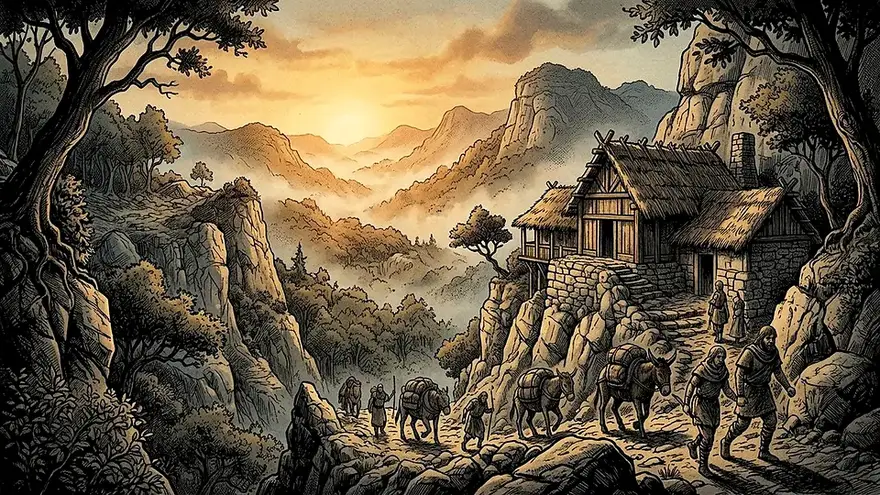
Meanwhile, Ethiopia's Chapel of the Tablet in Aksum claims Menelik I brought the Ark south centuries earlier during Solomon's reign, though no outside historian has ever been permitted inside to inspect it.
2 Maccabees 2:5“Jeremiah found a cave-dwelling, and he brought there the tent and the ark and the altar of incense; then he sealed up the entrance.”
Why Revelation 11 unveils the Ark not in a desert cave—but in heaven
When Titus's Roman legions looted Jerusalem's Second Temple in 70 CE, the Arch of Titus in Rome carved their trophies in stone: the golden Menorah and Table of Showbread—still no Ark.
A generation later, Revelation 11:19 gives the New Testament's final answer: God's temple in heaven opens, and the true Ark of His covenant stands safe above earthly empires.
Revelation 11:19“Then God's temple in heaven was opened, and the ark of his covenant was seen within his temple.”
Main Historical Candidates for the Fate of the Ark
Comparing biblical silence in 586 BCE against ancient Jewish and Ethiopian traditions.
| Theory / Location | Primary Source | Claimed Date | Historical Assessment |
|---|---|---|---|
| Destroyed in 586 BCE Siege | 2 Kings 25:9; Jeremiah 3:16 | 586 BCE | Plausible, though omitted from detailed loot list |
| Sealed in Mount Nebo Cave | 2 Maccabees 2:4–8 | c. 587 BCE | 2nd-century BCE Jewish record attributing hiding to Jeremiah |
| Taken Earlier by Shishak / Manasseh | 1 Kings 14:25–26; 2 Chron 33:7 | 925 / 650 BCE | 2 Chron 35:3 shows Josiah still had it in 622 BCE |
| Chapel of the Tablet, Aksum | Kebra Nagast (14th c. CE) | c. 950 BCE | Revered Ethiopian tradition; uninspected by archaeologists |
What to Remember
- Jeremiah 3:16—spoken just before Jerusalem's fall—tells Judah that in days to come the Ark 'shall not come to mind, or be remembered, or missed, nor shall another be made.'
- 2 Maccabees 2:4–8 preserves a 2nd-century BCE Jewish tradition that Jeremiah sealed the Ark, Tent, and Altar of Incense inside a cave on Mount Nebo.
- The 14th-century Ethiopian national epic Kebra Nagast traces the Aksumite claim through Menelik I (son of Solomon and the Queen of Sheba), centuries earlier than 622 BCE.