Genesis never names Cain's wife, leaving two primary readings across Jewish and Christian history. Traditional interpreters point to Genesis 5:4 ('Adam had other sons and daughters') and note that early sibling marriage—named 'Awan' in the ancient Book of Jubilees—was not prohibited until Leviticus 18 centuries later. Literary and historical scholars observe that Genesis 4 itself already assumes a populated world outside Eden: Cain fears being killed by 'anyone who finds me,' receives a protective mark for strangers to see, and immediately builds a walled city.
Cain isn't just married—he's terrified of strangers
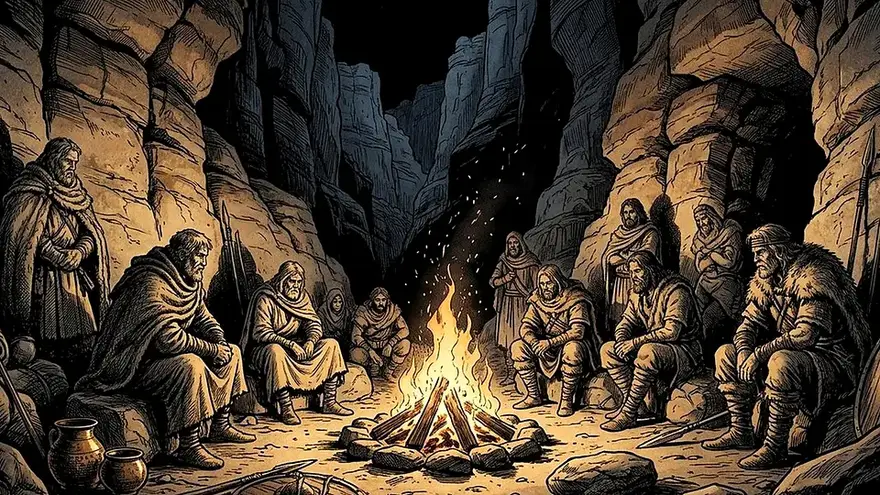
Right after killing Abel, Cain panics and tells God: 'Whoever finds me will kill me!' If Adam and Eve were the only two other humans alive on earth, who is Cain hiding from?
Even stranger, God doesn't tell Cain the world is empty. God agrees with his fear and puts a protective mark on Cain so outsiders won't strike him down.
Genesis 4:14–15“'Whoever finds me will kill me.' Then the LORD put a mark on Cain, lest any who found him should attack him.”
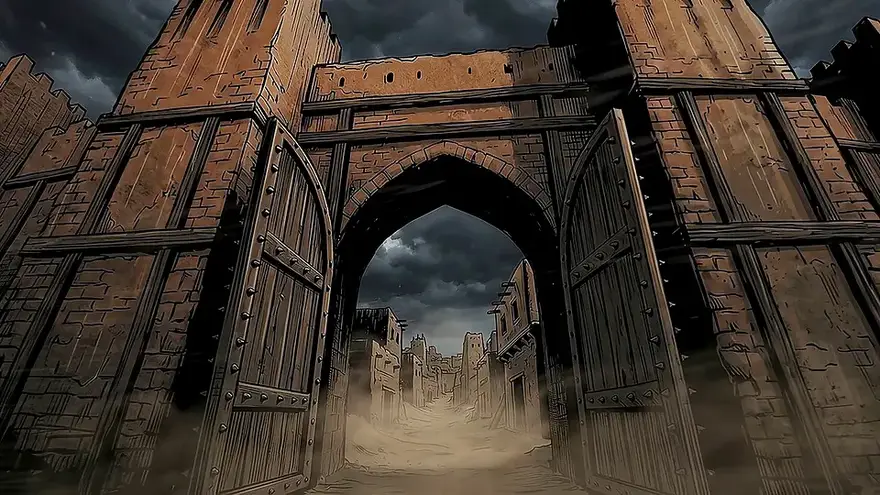
Why It Matters: Leaving Nod untranslated hides a deliberate Hebrew oxymoron ('he settled down in Wandering-Land'), while English 'city' conjures an urban metropolis where Hebrew 'ir could denote a small walled family compound.
Scrolls & Archaeology: In Numbers 13:19, Hebrew 'ir describes open tent-camps as well as fortified towns, matching Early Bronze Age clan enclosures housing only a few dozen kin. Qumran Cave 11 fragments (11Q12 / 11QJubilees, 1st century BCE) preserve the Hebrew Vorlage behind Ethiopic Jubilees 4:1–9, which assigns Adam and Eve nine named children including daughters Awan and Azura.
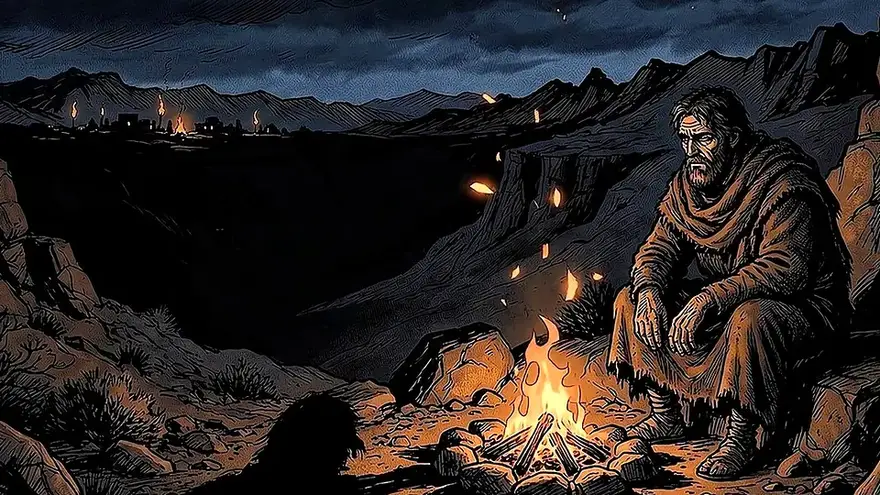
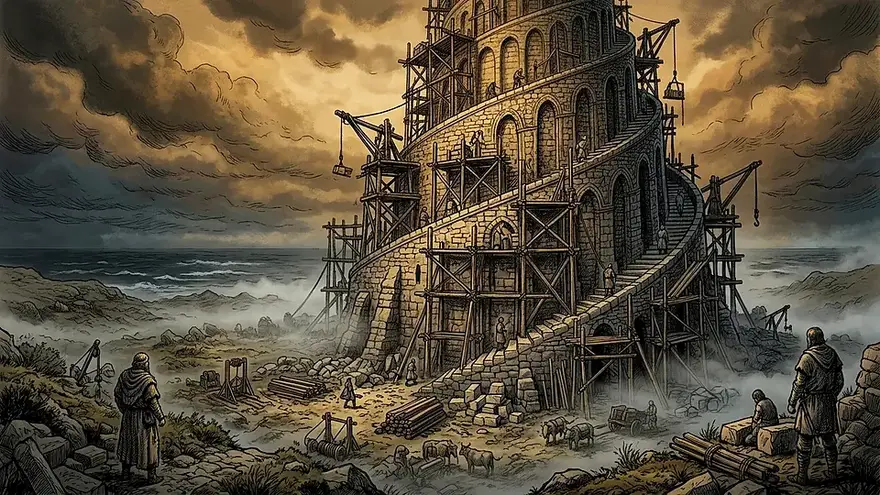
Why build a city for three people?
Two verses later, Cain moves east to the land of Nod, has a son named Enoch, and immediately starts building a city.
Even a small ancient walled settlement implies families, trades, and neighbors—not a lone fugitive couple in an empty continent.
Genesis 4:17“Cain knew his wife, and she conceived and bore Enoch. When he built a city, he called the name of the city after the name of his son, Enoch.”
The ancient 'sister named Awan' answer
One chapter later, Genesis 5:4 notes that over Adam's 930-year life he fathered 'other sons and daughters.' The 2nd-century BCE Book of Jubilees (found in the Dead Sea Scrolls) even names Cain's sister-wife 'Awan.'
Laws banning sibling marriage weren't given until Leviticus 18—even Abraham married his half-sister Sarah in Genesis 20:12.
Genesis 5:4“The days of Adam after he fathered Seth were 800 years; and he had other sons and daughters.”
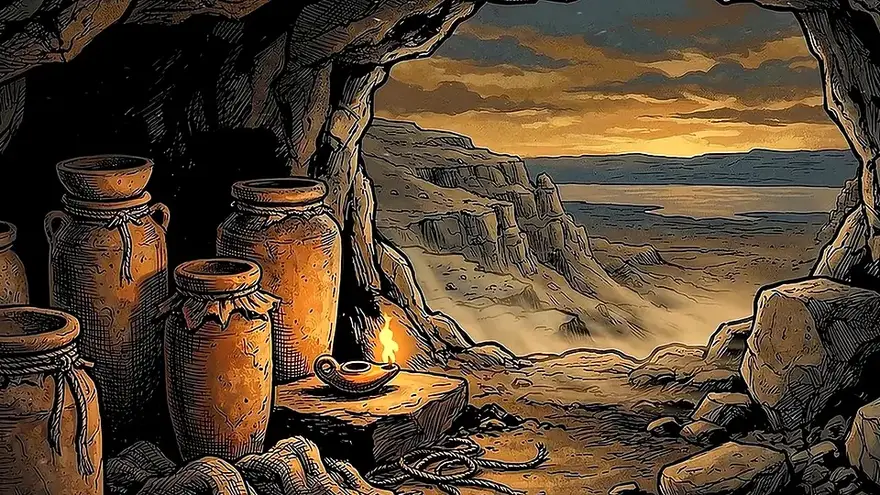
Humanity outside the Garden of Eden
Many biblical scholars point back to the two creation accounts: Genesis 1 creates male and female humanity across the earth broadly, while Genesis 2 zooms in on one couple inside a walled sanctuary garden.
When Cain leaves Eden's border in Chapter 4, the story treats the wider world outside the garden as already inhabited.
Genesis 4:16“Then Cain went away from the presence of the LORD and settled in the land of Nod, east of Eden.”
Two Historic Readings of Cain's Wife in Genesis 4–5
How ancient Jewish scrolls and modern textual scholars explain Genesis 4:14–17.
| Clue in Genesis | Sister-Marriage Reading (Jubilees 4:9) | Populated-World Reading (Gen 1 vs. Gen 2) |
|---|---|---|
| Identity of Wife | Unnamed daughter of Adam & Eve ('Awan' in Jubilees) | Woman from humanity created broadly in Genesis 1:27 |
| 'Whoever finds me' (4:14) | Expanding future nieces, nephews, and siblings | Existing clans already living outside Eden's garden |
| Incest Law Timing | Not prohibited until Moses in Leviticus 18:9 | No sibling marriage required in the narrative |
| Building a City (4:17) | Small fortified family clan compound | Settlement among surrounding eastern tribes |
What to Remember
- Genesis 4:14–15 records Cain fearing unnamed outsiders ('whoever finds me will kill me'), and God validates that fear by placing a visible protective sign on him.
- The second-century BCE Book of Jubilees (preserved among the Dead Sea Scrolls) names Cain's sister-wife 'Awan' and notes that Abraham himself married his half-sister Sarah (Genesis 20:12) prior to Mosaic law.
- Read closely, Genesis 1 (humanity created broadly across the earth) and Genesis 2–4 (one couple inside Eden's sanctuary) create the very population tension ancient readers debated.