In Numbers 21:8–9, God commanded Moses to mount a bronze serpent (nahash nehoshet, נְחַשׁ נְחֹשֶׁת) on a standard—not for worship, which Exodus 20:4–5 forbade, but as a visual sign of trust for snakebitten Israelites. Seven centuries later, when Judah burned incense to Moses's relic, King Hezekiah shattered it and mocked it as Nehushtan ('just a piece of bronze,' 2 Kings 18:4).
Venom in the Aravah desert—and why Moses didn't break Commandment Two
Marching through the scorching copper-mining badlands near Edom in Numbers 21, rebellious Israelites run into ha-nehashim ha-seraphim (הַנְּחָשִׁים הַשְּׂרָפִים, 'burning serpents'—named for the fiery inflammation of desert viper venom). Instead of banishing the snakes, God tells Moses to cast a nahash nehoshet—a vivid Hebrew pun pairing nahash ('snake') with nehoshet ('bronze/copper')—and hoist it on a banner pole.
Did that contradict the Second Commandment? Exodus 20:4–5 outlawed making images to bow down to or worship, whereas Exodus 25:18–20 commanded golden cherubim right inside the Tabernacle. As Wisdom of Solomon 16:7 observed, bitten Israelites lived 'not because of what they saw, but because of You, the Savior of all.'
Numbers 21:8–9“And the LORD said to Moses, 'Make a fiery serpent and set it on a pole, and everyone who is bitten, when he sees it, shall live.' So Moses made a bronze serpent and set it on a pole.”
Why It Matters: Leaving Nehushtan untranslated makes it sound like a mysterious pagan deity's title, when King Hezekiah (or popular Judean speech) coined a biting Hebrew wordplay fusing nachash ('snake'), nechoshet ('bronze'), and diminutive suffix -an ('just a brass trinket!').
Scrolls & Archaeology: In 1969, archaeometallurgist Beno Rothenberg excavated a Late Bronze Age Midianite tent-sanctuary at Timna in the southern Arabah copper-mining valley—the exact wilderness corridor of Numbers 21:4–9—and uncovered an intact 4.7-inch cast-copper serpent with a gilded head dating to the 13th–12th century BCE. Seven centuries later in Jesus's nighttime dialogue with Nicodemus (John 3:14), Jesus reclaimed Moses's desert standard not as a magical talisman, but as a prophetic preview of the Son of Man 'lifted up.'
Beno Rothenberg's 1969 discovery inside the Timna copper mines
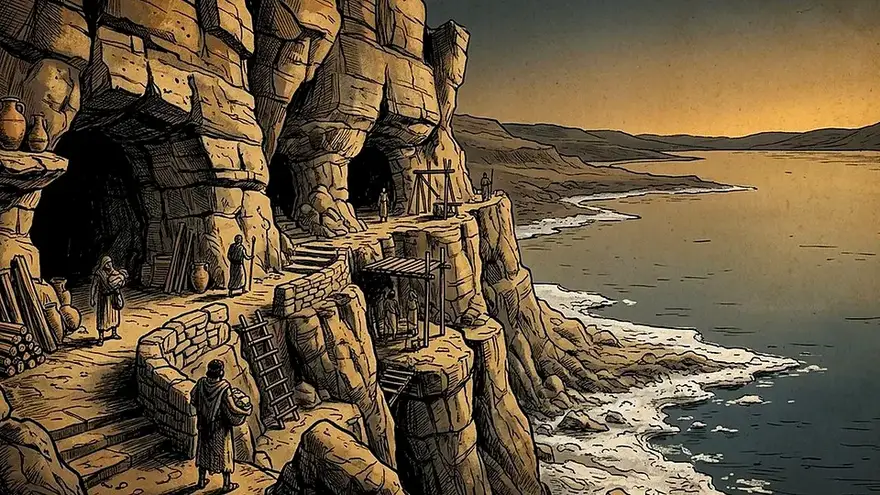
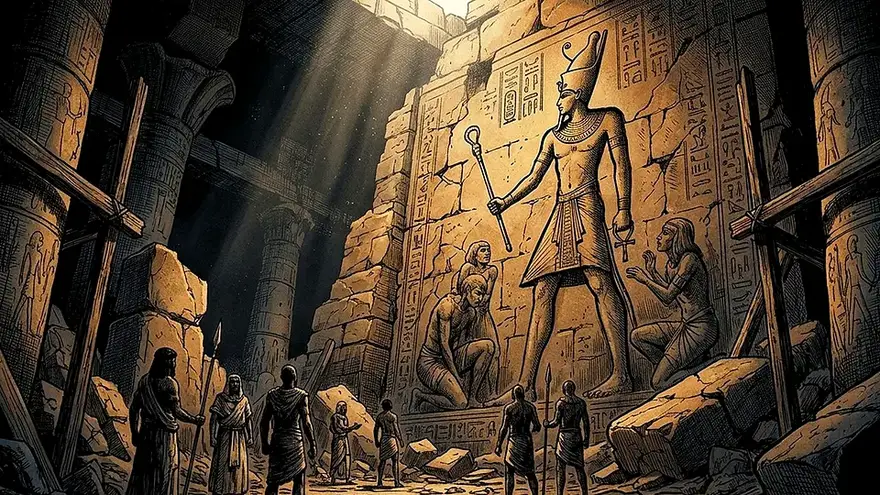
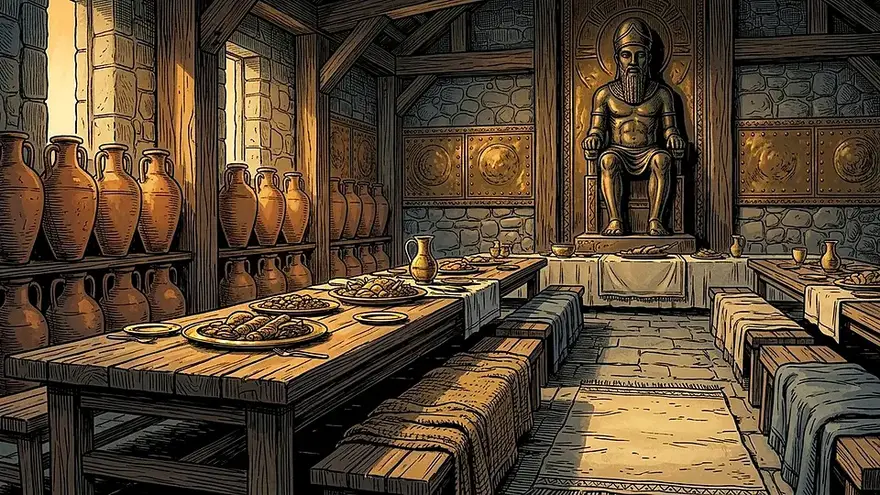
Skeptics once doubted that desert nomads possessed metallurgy to cast bronze serpents along Edom's border. Then in 1969, archaeologist Beno Rothenberg excavated an ancient Egyptian Hathor temple inside the Timna Valley copper mines (18 miles north of Eilat)—directly along the Aravah desert route of Numbers 21:4.
After Egypt withdrew in the 12th century BCE, desert Midianites converted the stone ruin into a tented desert shrine draped in red-and-yellow cloth strikingly similar to Israel's Tabernacle. Right inside the inner shrine lay a breathtaking 4.7-inch cast copper serpent with a gilded head—displayed today in Jerusalem's Israel Museum—proving copper-serpent casting flourished in that exact desert corridor.
Numbers 21:4“From Mount Hor they set out by the way to the Red Sea, to go around the land of Edom. And the people became impatient on the way.”
Seven centuries later: Hezekiah's hammer and the insult 'Nehushtan'
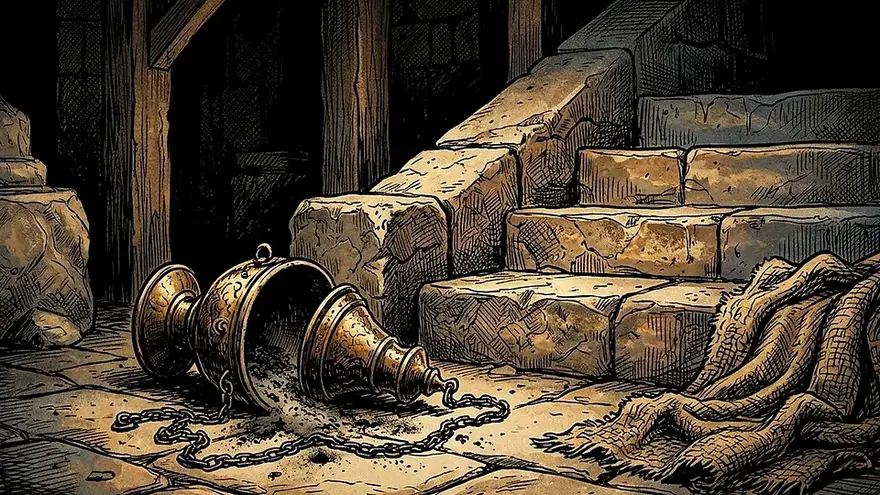
Moses's bronze serpent survived the wilderness, the Judges, and Solomon's Temple as a treasured 700-year-old relic. Yet religious nostalgia easily mutates into idolatry: by the late 8th century BCE, citizens in Jerusalem were burning sacrificial incense (meqatterim) directly to Moses's bronze snake!
Around 715 BCE, King Hezekiah did something shocking in 2 Kings 18:4. Rather than placing Moses's genuine heirloom inside a royal vault, he smashed it into pieces (kittat) and dismissed it with a biting Hebrew sneer: Nehushtan (נְחֻשְׁתָּן)—not a mysterious snake-god's title, as older readers guessed, but 'nothing more than a hunk of bronze!'
2 Kings 18:4“He broke in pieces the bronze serpent that Moses had made, for until those days the people of Israel had made offerings to it (it was called Nehushtan).”
Why Jesus compared Himself on the cross to a lifted-up serpent
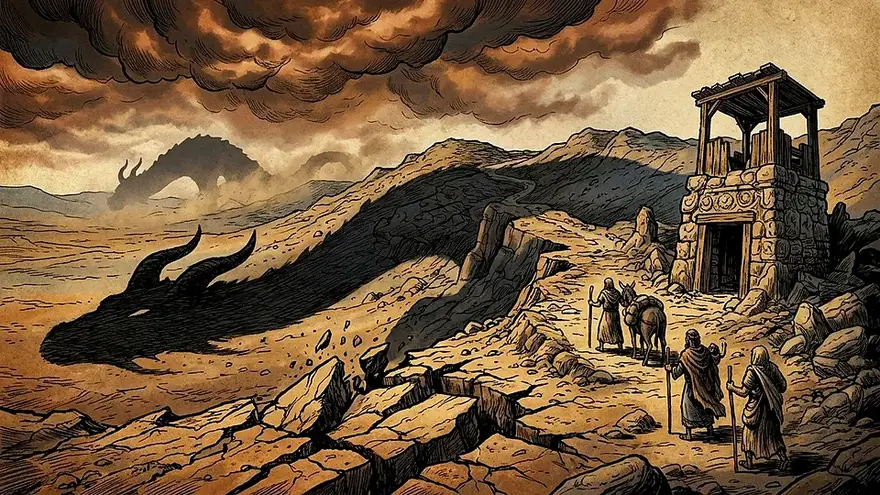
Seven hundred years after Hezekiah's hammer, Jesus meets Nicodemus at night in John 3:14–15 and revives Numbers 21 with an audacious comparison: 'As Moses lifted up the serpent in the wilderness, so must the Son of Man be lifted up, that whoever believes in him may have eternal life.'
Why compare the sinless Messiah to an unclean emblem of fatal venom rather than a spotless lamb? On the desert pole, God hoisted an image of the very curse killing the camp so anyone looking up in helpless faith lived; on Golgotha's cross, Jesus bore humanity's lethal curse (2 Corinthians 5:21; Galatians 3:13) so looking to Him brings life.
John 3:14–15“And as Moses lifted up the serpent in the wilderness, so must the Son of Man be lifted up, that whoever believes in him may have eternal life.”
Three Eras of the Bronze Serpent Across History
How the exact same object moved from divinely commanded sign, to idolatrous snare, to Messianic foreshadowing.
| Era & Text | Role of the Bronze Serpent | Human Response | Divine Verdict |
|---|---|---|---|
| Wilderness (~1400–1200 BCE) · Numbers 21:8–9 | Sign lifted on a pole (nes) pointing snakebitten rebels to God's mercy | Looking upward in humble trust after confessing sin | Commanded by YHWH; brings physical healing |
| Timna Copper Shrine (~1150 BCE) · Archaeology | 4.7-inch gilded copper votive snake inside Midianite tent-sanctuary | Used as a desert cultic talisman near Edom's copper mines | Confirms historical metallurgy & cultural backdrop |
| Judah's Monarchy (~715 BCE) · 2 Kings 18:4 | 700-year-old Mosaic relic turned into an object of incense worship | Judahites burn offerings to it; Hezekiah smashes it as Nehushtan | Praised in 2 Kings 18:3–5 ('He did what was right') |
| Jerusalem (~30 CE) · John 3:14–15 | Prophetic type of the Son of Man 'lifted up' on Roman timber | Believing in the crucified & exalted Messiah | Grants eternal life to everyone who looks in faith |
What to Remember
- Commandment Two banned bowing to or serving images (Exodus 20:4–5), not sacred art—just as God also commanded gold cherubim atop the Ark (Exodus 25:18).
- In 1969, archaeologist Beno Rothenberg unearthed an intact 12th-century BCE copper serpent with a gilded head inside a tented desert shrine at the Timna copper mines.
- When Judah later turned Moses's authentic relic into an idol, Hezekiah smashed it and called it Nehushtan ('a mere lump of bronze,' 2 Kings 18:4).